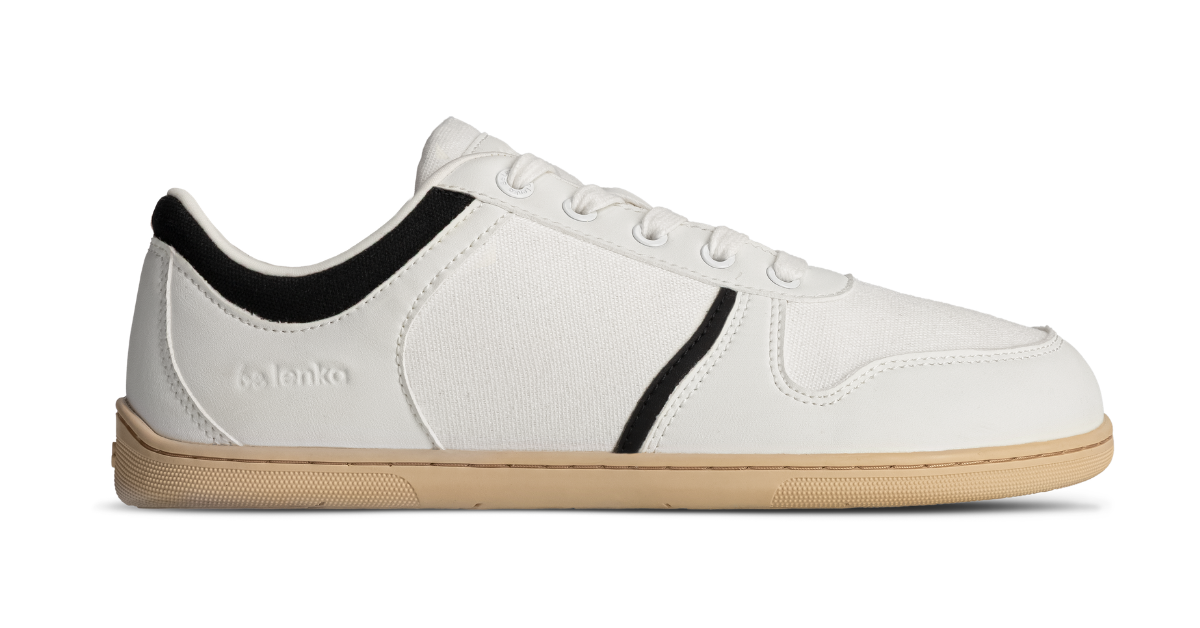
Why 10,000 steps feel different in barefoot shoes ͏ ͏ ͏ ͏ ͏ ͏
͏ ͏ ͏ ͏ ͏ ͏
͏ ͏ ͏ ͏ ͏ ͏ ͏ ͏ ͏ ͏ ͏ ͏
͏ ͏ ͏ ͏ ͏ ͏
͏ ͏ ͏ ͏ ͏ ͏ ͏ ͏ ͏ ͏ ͏ ͏
͏ ͏ ͏ ͏ ͏ ͏
͏ ͏ ͏ ͏ ͏ ͏ ͏ ͏ ͏ ͏ ͏ ͏
͏ ͏ ͏ ͏ ͏ ͏
͏ ͏ ͏ ͏ ͏ ͏ ͏ ͏ ͏ ͏ ͏ ͏
͏ ͏ ͏ ͏ ͏ ͏
͏ ͏ ͏ ͏ ͏ ͏ ͏ ͏ ͏ ͏ ͏ ͏
͏ ͏ ͏ ͏ ͏ ͏
͏ ͏ ͏ ͏ ͏ ͏ ͏ ͏ ͏ ͏ ͏ ͏
͏ ͏ ͏ ͏ ͏ ͏
͏ ͏ ͏ ͏ ͏ ͏ ͏ ͏ ͏ ͏ ͏ ͏
͏ ͏ ͏ ͏ ͏ ͏

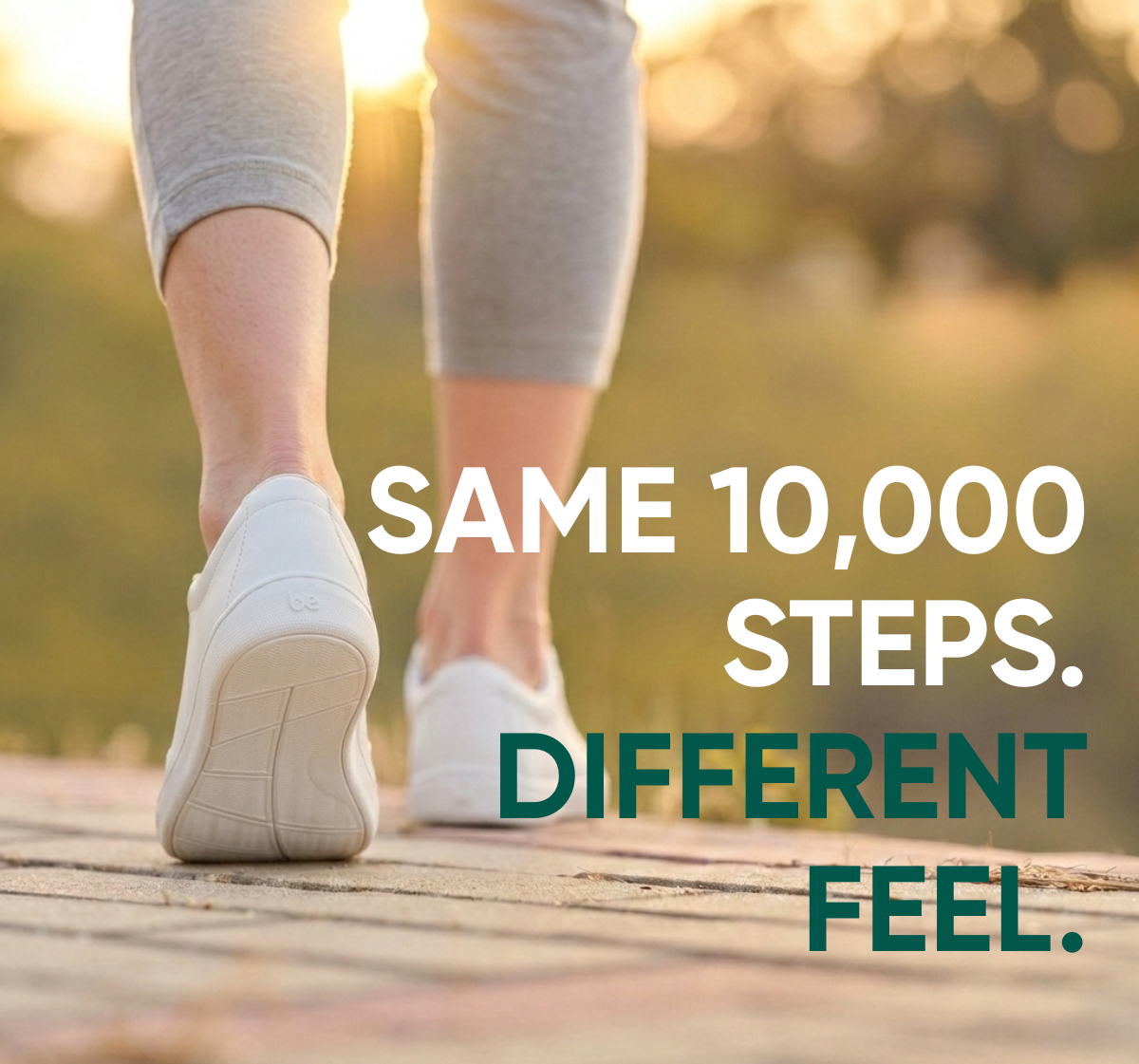
You’ve probably heard it before: aim for 10,000 steps a day.
But not all steps are the same.
Traditional cushioned shoes support and lift your feet, but they can also limit natural movement over time. |
Barefoot shoes take a different approach:
|
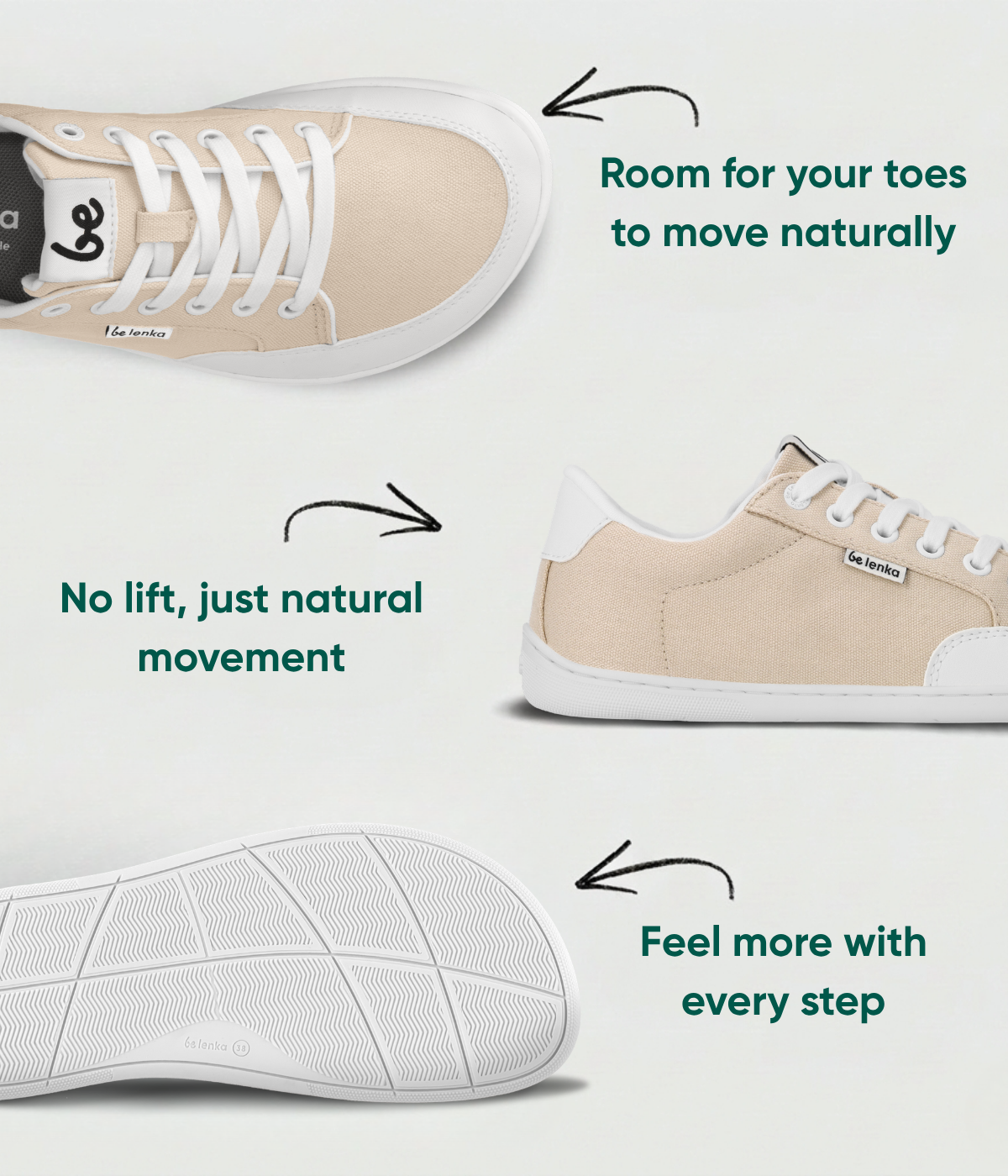
With a flexible sole and more room for your toes, they let your feet move naturally, engaging more muscles and improving balance.
So those same 10,000 steps?
They can feel lighter, more natural and more connected.
Because it’s not just about how much you walk.
It’s about how you move. |
|
|
Feel the difference this spring, now up to 30% off |
|
|
|